
What Does Gaslighting Mean? Definition, Signs & Examples Explained
On this page
No headings found.
What Does Gaslighting Mean?
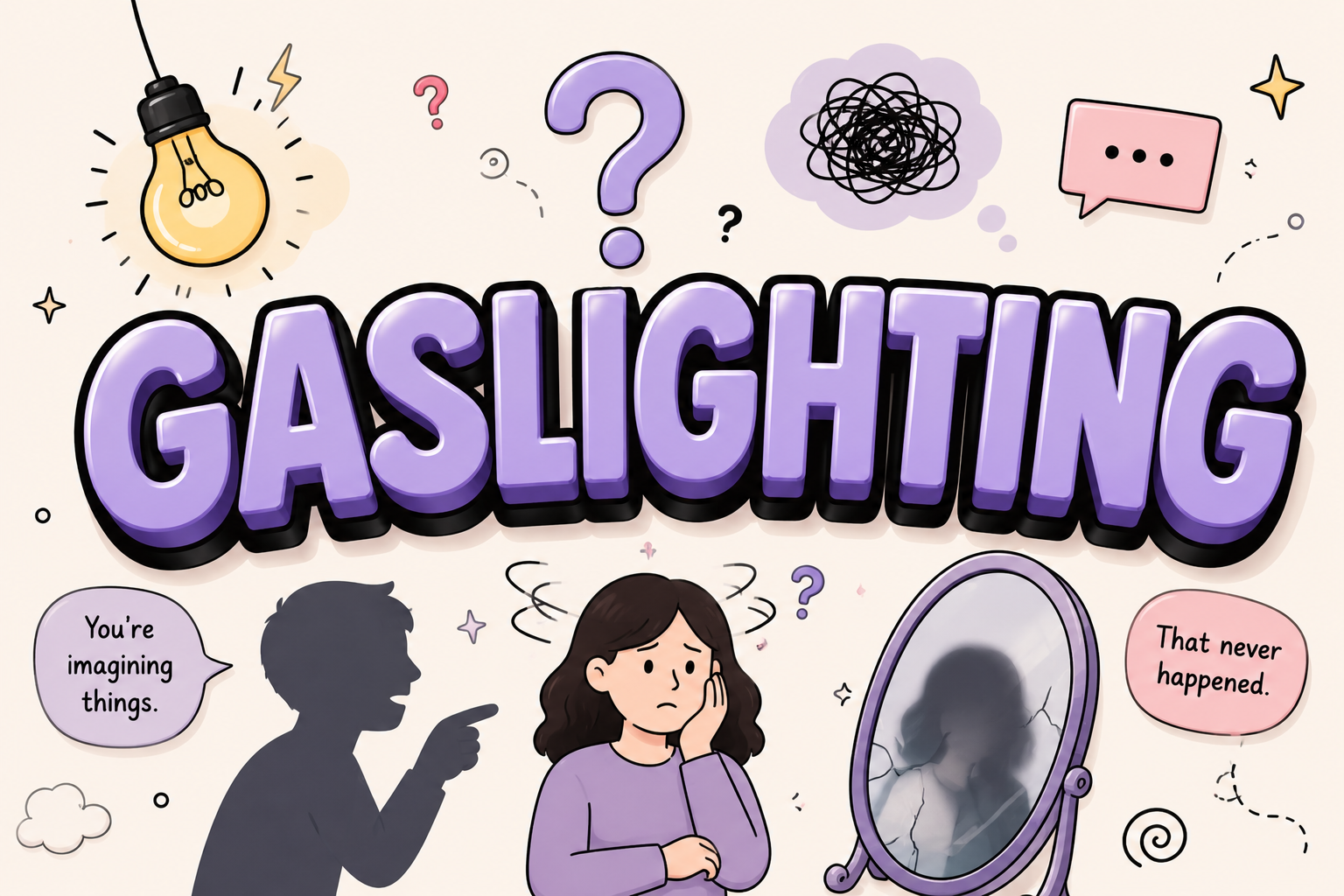
Gaslighting is a form of psychological manipulation where one person makes another doubt their own reality, memory, or sanity. For example, the Cambridge Dictionary defines gaslighting as tricking or controlling someone "by making them believe that their memories or beliefs about something are wrong". In everyday terms, gaslighting means making someone question what they know to be true.
What Is Gaslighting?
Gaslighting involves specific patterns of deceptive behavior. As the Cleveland Clinic explains, it’s when someone uses patterns of behavior to get another person to question their sanity and decisions. Merriam-Webster similarly defines it as "psychological manipulation of a person ... that causes the victim to question the validity of their own thoughts, perception of reality, or memories". Importantly, gaslighting can happen in any kind of relationship – with partners, friends, family, coworkers, or even institutions. The term itself comes from a 1938 play (and 1944 movie) *Gas Light*, in which a husband tricks his wife into thinking she’s losing her mind by dimming the gas lights and denying it. Today, saying someone is "gaslighting" means they’re manipulating you into doubting your own experiences.
How Does Gaslighting Work?
Gaslighting usually happens gradually. A manipulative person may first build your trust, then introduce small lies and doubts over time. For example, Psychology Today notes that a gaslighter might begin by praising or confiding in you (sometimes called "love bombing") to create a strong bond. Once trust is established, they slowly twist the truth and lie about everyday details. They may start denying things they said or did, blaming you for issues, or mixing truth with fiction. Over time, these tactics undermine your confidence. As the Cleveland Clinic warns, the longer gaslighting goes on, the more you may begin to mistrust your own judgment and even question what’s real.
Common Gaslighting Techniques
Gaslighters use many tactics to confuse and control. For example, King's College London describes cases like an abuser criticizing your work and later denying it, or insisting you did things you know you didn’t. Other common gaslighting moves include:
- Denial: The gaslighter flatly denies events or conversations happened (e.g. "I never said that").
- Trivializing: They belittle your feelings or concerns (e.g. calling you "too sensitive" or saying "you're overreacting").
- Countering: They question or challenge your memory ("Are you sure about that?").
- Blame-shifting: They blame you for problems or mistakes, even if it’s not your fault.
- Withholding: They refuse to engage or pretend not to understand, making you doubt yourself.
- Isolation: They may try to cut you off from friends and family, increasing your dependence on them.
Used together, these behaviors slowly undermine your confidence and trust in your own mind. As one expert explains, gaslighting makes you doubt your sanity, question your memories, and wonder what's real. In short, it turns you against yourself.
Common Signs of Gaslighting
If you’re being gaslit, you might notice patterns in your interactions. Some telltale signs are:
- They never admit fault. The other person always insists you’re wrong, even when they’re clearly in the wrong.
- They challenge your memory. They insist events or conversations happened differently than you remember.
- They call you "crazy" or "too sensitive." When you express hurt or confusion, they dismiss you with these labels.
- You apologize often. You find yourself saying sorry even when you haven’t done anything wrong.
- You feel anxious or confused. After talking with them, you leave the conversation doubting yourself or questioning your own reality.
- You withdraw. You may start to second-guess your decisions, lose confidence, or pull away from friends and activities because you feel "less than" around them.
These signs indicate a pattern of manipulation. If someone’s behavior consistently leaves you feeling off-balance and doubting your own mind, it could be gaslighting.
Why Do People Gaslight?
Gaslighting is usually about power and control. People may gaslight others to maintain an advantage. For example, a Medical News Today article explains that some learn gaslighting by observing others and use it as an effective way to control people. Others may feel entitled to have things their way and see others’ needs as unimportant. In some cases, gaslighters have personality traits like narcissism: a need for admiration, a sense of superiority, and low empathy. These traits can make someone more likely to manipulate others. In any case, the gaslighter benefits by making the victim dependent on them and doubt their own truth.
Gaslighting vs. Normal Disagreements
It’s important to know that gaslighting is not the same as occasional lying or a simple misunderstanding. In an ordinary disagreement, people usually resolve differences or at least agree to disagree. Gaslighting, however, is a repeated pattern where one person tries to consistently make the other feel wrong. If someone just forgets details once or twice, that’s not gaslighting. But if they *always* deny reality and make you feel “crazy,” that’s a big warning sign of gaslighting.
Quick Summary
Gaslighting is a manipulative tactic that makes you doubt your own reality. It usually involves a person lying, denying, and shifting blame so that the victim begins to question their memories, feelings, or sanity. Key signs are being told you’re “imagining things” or “overreacting,” and leaving conversations feeling confused or anxious. Unlike normal disagreements, gaslighting is a consistent pattern of deceit meant to control you.
Wrap Up
The term "gaslighting" has become common because it describes a very real and harmful behavior. Whether it happens in romantic relationships, friendships, at work, or even in broader contexts (like politics or media), gaslighting is about manipulation and power. Recognizing gaslighting means trusting your own perceptions. If someone is making you doubt yourself, remember: you are not “crazy” — you might be experiencing manipulation. Seeking support and affirming your reality are important steps to protecting yourself.
Frequently Asked Questions
1. What does gaslighting mean in a relationship?In a relationship, gaslighting means one partner manipulates the other into questioning their own reality or sanity. It’s psychological abuse that causes the victim to doubt their memories or feelings.
2. Is gaslighting always deliberate?Not necessarily. Gaslighting is usually intentional, but sometimes people may use these tactics without fully realizing it. Psychology Today notes that someone can manipulate another without realizing they’re doing it, though the impact (making you doubt yourself) is still real.
3. Can gaslighting happen outside of dating or marriage?Yes. Gaslighting can occur in any relationship – with friends, family members, coworkers, or institutions. Merriam-Webster explicitly says gaslighting can happen "between friends and family members – not just in couple relationships".
4. What are common signs of gaslighting?Common signs include the other person denying things you clearly remember, accusing you of being "too sensitive," blaming you for their problems, and leaving you feeling confused or anxious after interactions. If someone constantly makes you question your own mind, those are red flags of gaslighting.
5. How do I protect myself from gaslighting?You can protect yourself by keeping records (like notes or messages) of important conversations to verify your memory. Confiding in trusted friends or a counselor can also help you gain perspective on what’s real. Above all, remember that your feelings and memories are valid. Seeking support and trusting yourself are key.